I did not expect to be back in KAKU: Ancient Seal in 2026, but here I am, booting the v1.2.x build like a player reopening a save file that kept growing while I was away. I bought it on a whim around the July 12, 2024 PC launch, bounced off the slippery physics, and told my friends that the pig was cute but the controls were not my cup of tea. By October 24, 2026, the game has reached its v1.2.x era, expanded to PS5 and Xbox Series X|S on October 17, 2025, and sits at roughly 80% positive across 810+ Steam reviews. That is not a victory lap, but it is enough to make me curious again. The question is no longer whether BINGOBELL finished the journey. It is whether this colorful indie-Zelda loop earns $24.99 from a player who already got burned once.
The 2026 version I actually played
The version I booted is a cleaner starting point than the 2024 release. The big 1.2 overhaul improved controller mapping and ruin-puzzle physics, which matters because my first run was full of the kind of jank that makes a simple lever puzzle feel like a personal insult. The Furious Trial update also still matters for returning players: it added difficult boss challenges and endgame gear, not just cosmetic extras. On PS5 and Xbox Series X, the late-2026 build targets stable 4K/60FPS, and the PC version feels well optimized after its quality-of-life passes. I split my time between PC and PS5, and for once the controller was not the weak link. The October 22, 2026 Deluxe Edition physical launch through Microids completes the console package with a digital soundtrack and artbook, which is nice if you like shelf candy, but I would not buy it just for the extras.
What clicked: elemental biomes, Geeboo, and ruin resetting
The Big Four regions are still the heart of the trip: Flaming Mountain, Dragonbone Desert, Misty Swamp, and Howling Snowfield. Each pairs elemental hazards with distinct enemies and an Elemental Lord, and the rhythm of traversal, platforming, and environmental problem-solving is easy to sink into. More than 50 underground ruins give the journey a dependable beat. Golden Souls, hidden routes, and respawning resources make Ruin Resetting feel productive rather than like busywork. I found myself clearing a ruin, spotting a side path, and saying just one more before losing another hour.
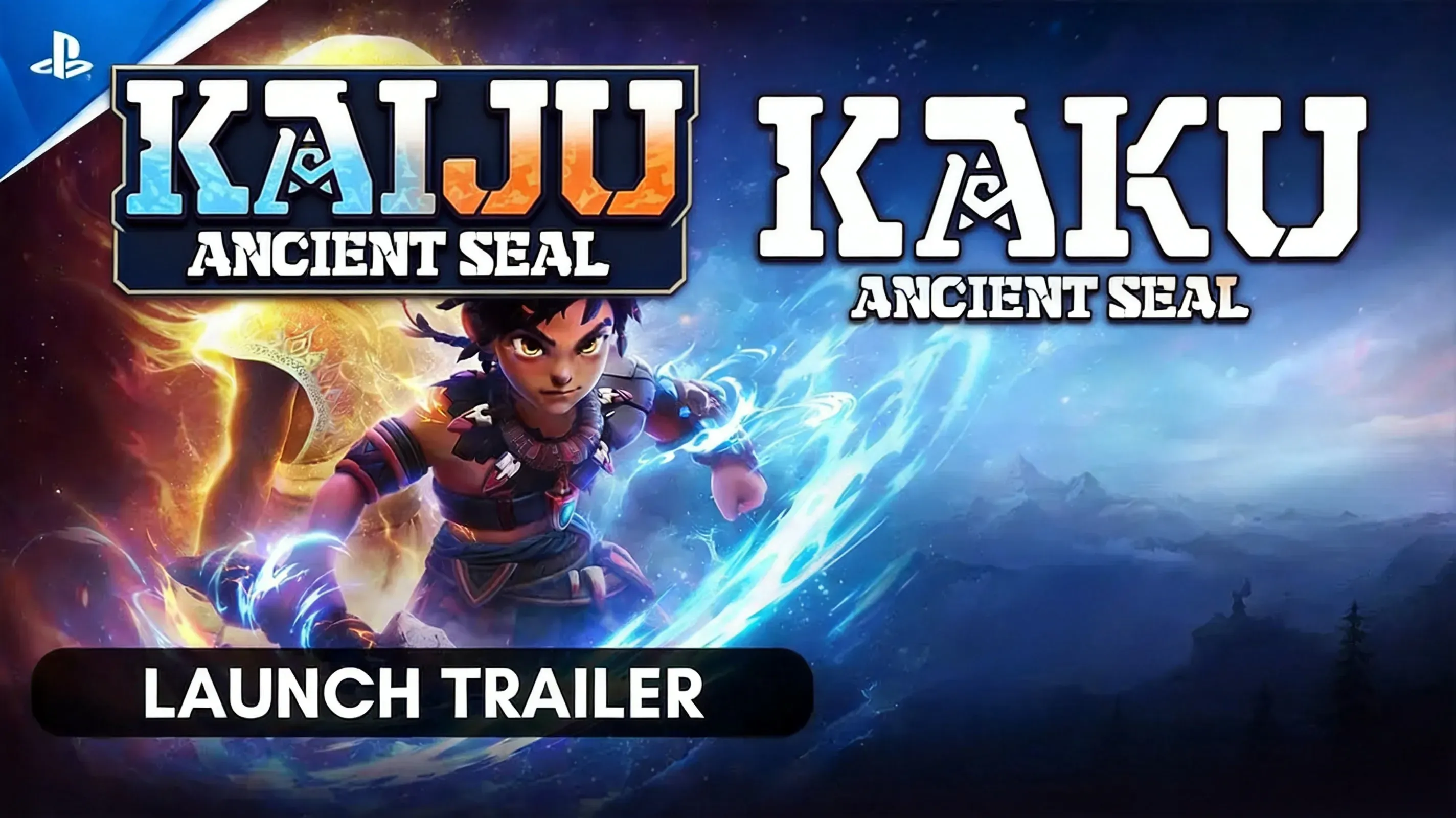
Geeboo is the reason I came back. Piggy-backing lets the flying pig trigger distant switches or scout hazards from a safer perch, and when a puzzle seems built around awkward positioning, that little pig feels downright Oink-OP. The trick still solves a ruin lever puzzle without me having to nail a risky jump, which is exactly the sort of mercy I want from a companion. Pair that with Slingshot Sniping, the slow-motion ranged aiming with elemental pellets, and Kaku's wood, stone, and metal weapon options start to feel like a real toolkit. The skill tree and God Ability transformations add enough texture to keep combat from being a one-note mash fest, at least for a while.
Where it still scrapes
I am not going to pretend the rough edges vanished. After several long sessions, the melee loop can reveal its limits. Skills and transformations offer variety, but they do not fully disguise combat that some players find repetitive or less expressive than modern high-speed action games. The story does its basic job without delivering the cinematic pull I expect from bigger-budget ARPGs. I had a few come on, mate moments at world boundaries, too: several areas use invisible walls that undercut the promise of open exploration. Early-2026 feedback still mentions hitbox uncertainty and camera trouble during busy boss fights, and I felt that in the exact moments where precise dodging matters most. With Metacritic and OpenCritic scores sitting around 63–72, KAKU lands in the textbook good zone: charming and capable, but not polished enough to overwhelm veterans.
Price check and verdict
| Question |
My answer |
| Standard price |
$24.99 |
| Common sale range |
$14.99–$18.99 |
| Length |
20–40 hours |
| Best for |
Fans of Kena: Bridge of Spirits, classic 3D platformers, or a less punishing ARPG |
| Wait if |
You need AAA-grade camera consistency or a deep narrative payoff |
At full price, the 20–40 hours of exploration, ruins, and collectible-driven progression are fair value if cartoony biomes, companion puzzles, and exploration rewards matter more to you than Souls-like precision. I would still wait for a sale if boss combat and camera consistency are your priorities. For a first run or a Geeboo-assisted revisit, the complete v1.2.x package is a qualified yes. It is not a genre landmark, but it is a sturdy, colorful adventure once you set expectations correctly. I came back for the pig, stayed for the ruins, and left with fewer complaints than I had in 2024. That is not a rave, but it is a recommendation with my eyes open.
If you decide to dive into the adventure yourself without paying full price, keeping an eye on seasonal discounts or pairing your purchase with discounted wallet codes can make the jump much easier on your budget. Reliable top-up platforms like LootBar are great for securing discounted Steam balance or gift cards ahead of sales, giving you an extra buffer to pick up KAKU: Ancient Seal on Steam at a bargain price.
Beyond waiting for official seasonal events, checking trusted game key marketplaces is another smart way to land the title within that recommended sale threshold immediately. Taking a moment to compare KAKU: Ancient Seal key prices across platforms like LootBar helps you spot active promotions, bundles, or regional savings without delay. For a colorful ARPG with this much ambition, securing a solid discount ensures you get the most value out of your journey across the ruins.